
Your vehicle’s windscreen is more than just a shield against wind and debris—it’s a key safety feature that ensures your visibility on the road. Knowing when to replace it, rather than repair it, can be a bit tricky. Here are 10 clear signs that indicate your windscreen might need to be replaced:
1. Large Cracks
The most obvious indicator that your windscreen needs replacing is the presence of large or multiple cracks. While minor cracks might be repairable, larger ones, especially those longer than a credit card or reaching the edges of the glass, compromise the structural integrity of the windscreen. In such cases, a full replacement is the safest option. Driving with a cracked windscreen isn’t just dangerous—it can also be illegal in many areas, leading to potential fines.
2. Chips in the Driver’s Line of Sight
Small chips are often repairable, but location plays a vital role. If the chip is directly in the driver’s line of sight, it could pose a serious hazard. Even after windscreen repair, distortions may remain, impairing visibility and reaction time. For safety, replacing the windscreen is the best option in such situations, ensuring the driver has a clear, unobstructed view of the road.
3. Pitting from Road Debris
Over time, your windscreen can become pitted due to impacts from gravel, sand, and other road debris. These tiny pits may seem harmless, but they scatter light, creating glare and reducing visibility, especially in direct sunlight or at night. If pitting becomes extensive, it’s best to replace the windscreen to avoid dangerous visual impairment when driving.

4. Internal Cracks
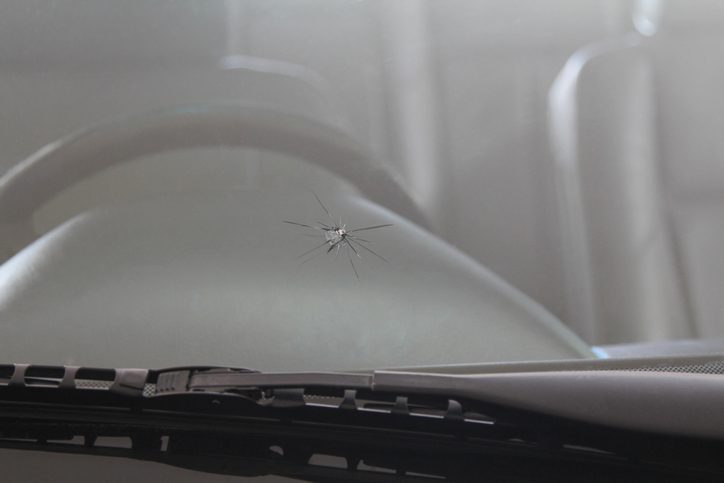
Some cracks form on the inner layer of the windscreen, which is more concerning than surface cracks. Internal cracks indicate a deeper issue, often affecting the structure of the windscreen. These cracks aren’t repairable using standard techniques, making windscreen replacement the safest and only viable solution.
5. Damage Around the Edges
Damage near the edges of the windscreen is particularly problematic because it weakens the bond between the glass and the vehicle’s frame. In the event of an accident, a weak bond could cause the windscreen to dislodge, putting the driver and passengers at greater risk. If the damage extends into the outer layer near the edges, a replacement is necessary to maintain the car’s structural integrity and safety.
6. Multiple Repairs
If your windscreen has undergone multiple repairs, it may be time to consider a replacement. Over time, repaired areas can weaken the glass, and if these repairs are in critical viewing areas, they can reduce clarity. A new windscreen will restore a clear, unobstructed view and provide better protection.
7. Temperature Stress Cracks
In regions with extreme temperature changes, windscreens are prone to stress cracks. These cracks often start at the edges and spread towards the centre, even without any direct impact. The sudden expansion and contraction of the glass due to temperature fluctuations can weaken the windscreen. Stress cracks suggest that the windscreen’s integrity is compromised, requiring a full replacement.

8. Delamination
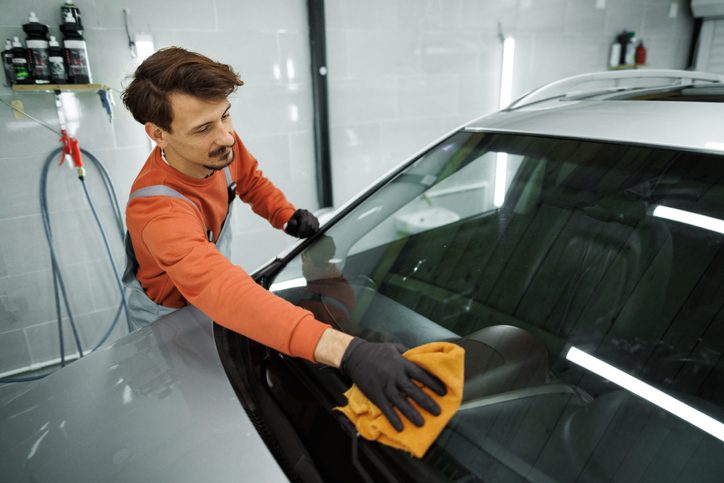
Delamination occurs when the laminated layers of the windscreen begin to separate, leading to visible bubbles or a cloudy appearance. This doesn’t just look bad—it also severely reduces visibility and weakens the structural integrity of the windscreen. Since delamination cannot be repaired, replacing the windscreen is the only solution.
9. Water Leaks
Water seeping into your car through the windscreen is a clear sign that the seal around the glass has failed. Apart from damaging your car’s interior, water ingress suggests that the windscreen is no longer securely fitted. A replacement ensures the new windscreen is properly mounted and sealed, preventing further leaks and ensuring a solid bond to the vehicle.
10. Outdated Windscreen Technology
As technology advances, so do the features in modern windscreens. Newer models often come with UV protection, rain sensors, heating elements, and advanced coatings that enhance both safety and comfort. If your windscreen is old and showing signs of wear, upgrading to a more modern one with these features can improve driving safety, particularly if your current windscreen is already compromised.
Why Professional Assessment is Key
If any of these issues sound familiar, it’s time to seek a professional assessment. Companies like Vision Windscreens can evaluate the condition of your windscreen and advise you on whether a repair or replacement is needed. Many drivers ignore small cracks or chips, but these can quickly escalate into larger, more dangerous issues.
Attempting to drive with a damaged windscreen could lead to further damage and may even result in legal penalties if it’s deemed to impair your driving ability. A professional assessment ensures that you’re making the safest choice for your vehicle, yourself, and your passengers. Find out more information or contact of our friendly members of staff today!
Safety and Long-Term Benefits
Maintaining your windscreen is about much more than aesthetics. It’s a fundamental component of your vehicle’s safety system, offering both protection and structural support in the event of a collision. Neglecting windscreen issues can lead to more costly repairs down the line, or worse, increased risk on the road.
Replacing your windscreen doesn’t just restore clarity and visibility—it can enhance the overall safety of your car. In modern vehicles, the windscreen works with other safety features, such as airbags, to keep passengers protected. A compromised windscreen may not provide the necessary support in an accident, putting lives at risk.
Choosing the Right Replacement Service
Selecting a qualified service provider for windscreen replacement is crucial. Vision Windscreens, for example, uses OEM (Original Equipment Manufacturer) or equivalent glass, ensuring that the replacement windscreen meets the vehicle’s original specifications for safety and performance. Additionally, professionals can recalibrate advanced windscreen technologies like driver-assist sensors or heating elements, ensuring that everything works seamlessly post-installation.
our car’s windscreen is more than just a sheet of glass—it’s an integral part of your car’s safety structure. Recognising the signs that it needs replacing can help you address problems before they become severe. If you’re experiencing any of these issues, contact a specialist immediately. Taking action now can prevent bigger problems down the road and ensure you and your passengers stay safe.

